
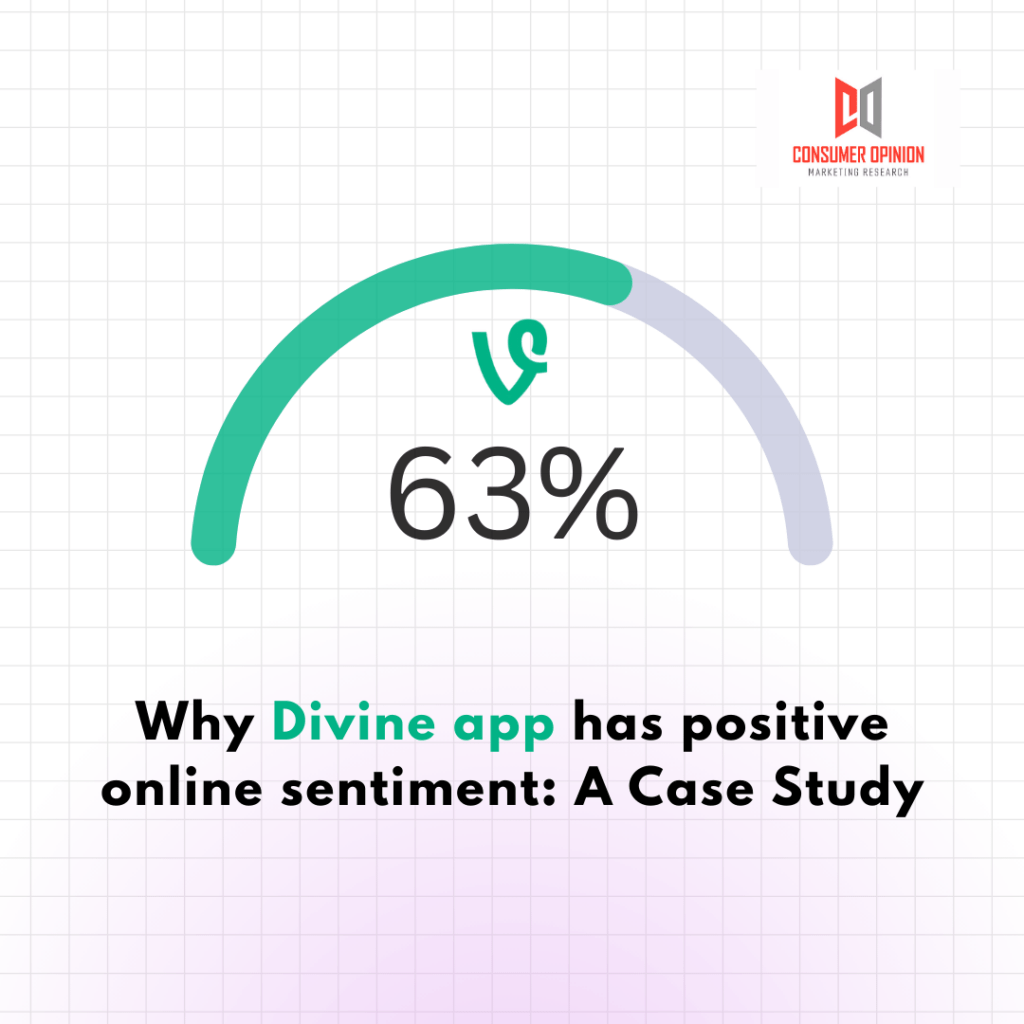
Since the launch of diVine late in 2025, its reception among internet users has skewed strongly positive, reflected in an average sentiment compound score of 0.631 based on our analysis, a value that typically signals overall favorable sentiment. This positive tilt stems from a convergence of user nostalgia, dissatisfaction with modern social-media dynamics, hunger for authenticity, and renewed creative hope. Below are four major factors driving this sentiment, plus one on how diVine’s characteristics can be harnessed by marketers and researchers.
1. Nostalgia and Emotional Resonance with the Original Vine Era
For many, the original Vine represented a unique era of internet culture: six-second looping videos, spontaneous humor, quirky creativity, and the lo-fi charm of early social networking. diVine’s resurrection of the archive, restoring more than 150,000 original Vine videos from tens of thousands of creators, triggers a powerful emotional response from those who lived through that era.
Access to old Vine content, including video loops, creator profiles, and historical engagement, creates a kind of digital time capsule. For many users this feels like a rejuvenation of a cherished part of internet history. That sense of shared memory and collective nostalgia fosters goodwill toward diVine: it is not just an app, but a revival of an era.
2. Authenticity and Anti-AI Stance Amid Content Saturation
One of diVine’s foundational promises is real-human content. The platform explicitly bans AI-generated videos: content must be recorded on real devices, and suspected AI content is flagged and prevented from being posted.
In an online environment increasingly saturated with deepfakes, AI-generated visuals, and polished but impersonal content, this commitment to “real moments from real people” resonates deeply. Users fatigued by algorithm-driven feeds and synthetic content see diVine as a refreshing alternative, a space for raw, genuine expression rather than AI-driven content mills. This authenticity helps build user trust, contributing to the prevailing positive sentiment.
3. Decentralization, Creator Control and a Break from Centralised Algorithms
diVine isn’t just another video-sharing app; it’s built on a decentralized protocol (the open-source protocol Nostr), and funded by a nonprofit rather than a profit-driven corporate entity.
This structural decision appeals to a segment of social-media users who are disillusioned with opaque algorithms, centralized control, and the commercial pressures behind mainstream platforms. diVine’s model promises greater transparency, user and creator control, and a feed more shaped by personal choice than by engagement-maximizing algorithms. That sense of agency and fairness helps endear the platform to early adopters seeking authenticity and autonomy in social media.
4. Revival of Creative Spontaneity and Intimate Community Vibe, Filling a Gap Left by Mainstream Short-Form Video
Mainstream short-form video platforms today often emphasize virality, polished production, editing, and trend-chasing. In such environments, content becomes optimized, stylized, and sometimes homogenized. diVine’s six-second loop format, minimalistic constraints, and emphasis on authenticity encourages a return to spontaneity, randomness, subtle humor, and “impulsive creativity.”
For many users, especially those who felt tired of the high-production-value, trend-chasing culture, diVine represents a creative refuge: a place where simple ideas, human quirks, and plain humor can thrive. This rekindles a sense of community and intimacy often lost in large, commercialized social platforms, and such a vibe strongly resonates with early users, generating positive sentiment.
5. Lessons for Market Research and Consumer Insights
The overwhelmingly positive sentiment toward diVine offers several takeaways for market researchers examining digital consumer behavior in 2025. First, it reflects a growing preference for authentic, human-made content over algorithmically optimized or AI-generated media, signaling a shift in trust dynamics online. Second, the strong nostalgia response suggests the power of emotional memory and platform legacy, consumers aren’t just evaluating features but reconnecting with earlier cultural experiences and identities associated with social media. Third, diVine’s embrace of decentralization highlights that users increasingly value control, transparency, and autonomy in their digital environments, a crucial cue for future product design and communication strategies. Finally, the enthusiasm for spontaneous, low-pressure creativity reveals that users may be pushing back against overly polished content ecosystems, indicating rising demand for lo-fi creativity and community-driven expression. In total, diVine’s sentiment profile provides a valuable case study in how psychological needs, belonging, authenticity, nostalgia, agency, actively shape platform success.
The positive reception of diVine demonstrates that platforms rooted in authenticity, community trust, and emotional memory can still resonate powerfully within a crowded digital landscape. As social media continues to evolve, the success of diVine suggests that users are seeking not more technology, but more humanity, and platforms that recognize this shift may be better positioned to earn both loyalty and cultural relevance.